



Machine Learning · Generative AI · Agentic AI

I build intelligent systems end-to-end.

Machine Learning Engineer in the GenAI & ML Engineering team at Intesa Sanpaolo's AI Delivery Center. I build data pipelines, fine-tune LLMs, and orchestrate agents — from prototype to production.

Portrait of Marc'Antonio Lopez — Machine Learning Engineer
The author — Turin, 2026.
Now Machine Learning Engineer GenAI & ML Engineering — AI Delivery Center
Intesa Sanpaolo

§ 01 · Profile

Machine Learning engineer with a product mindset.

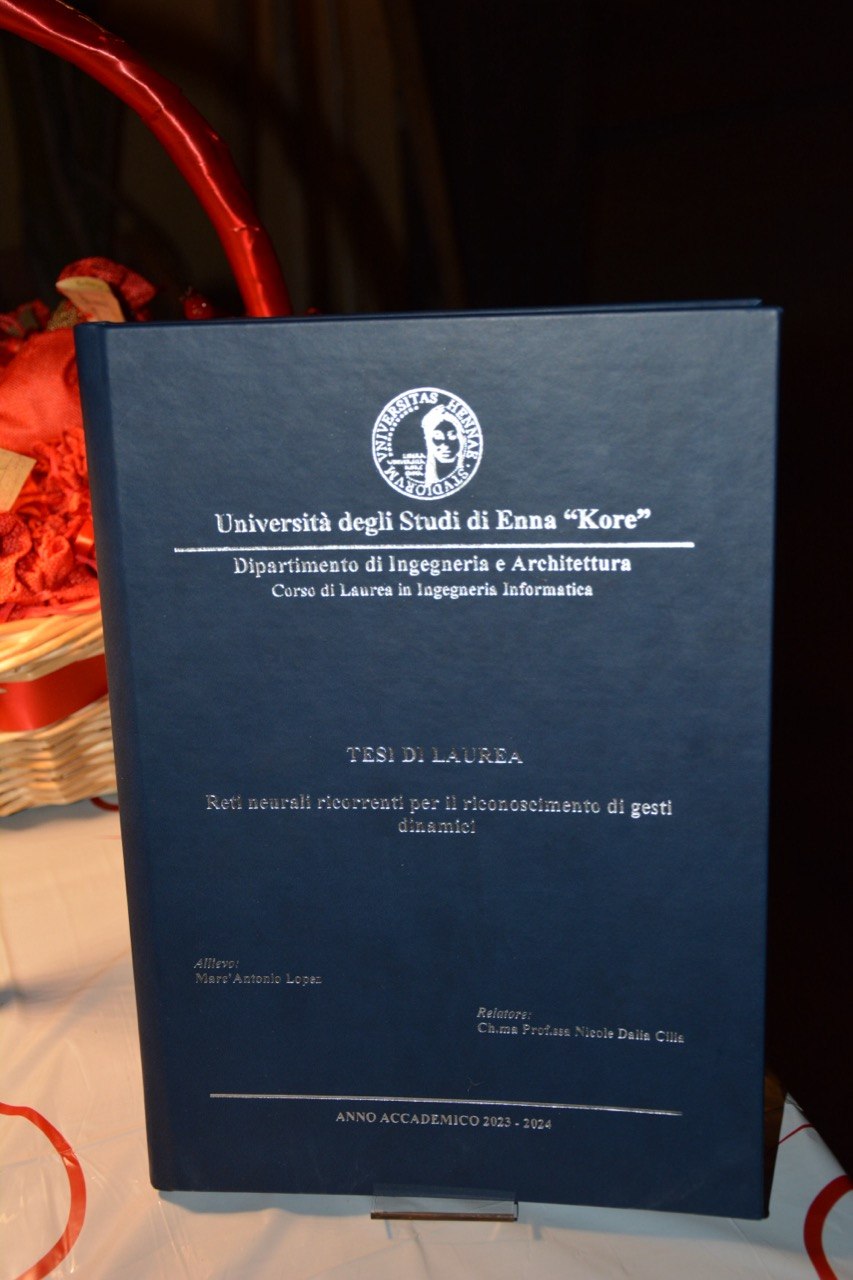
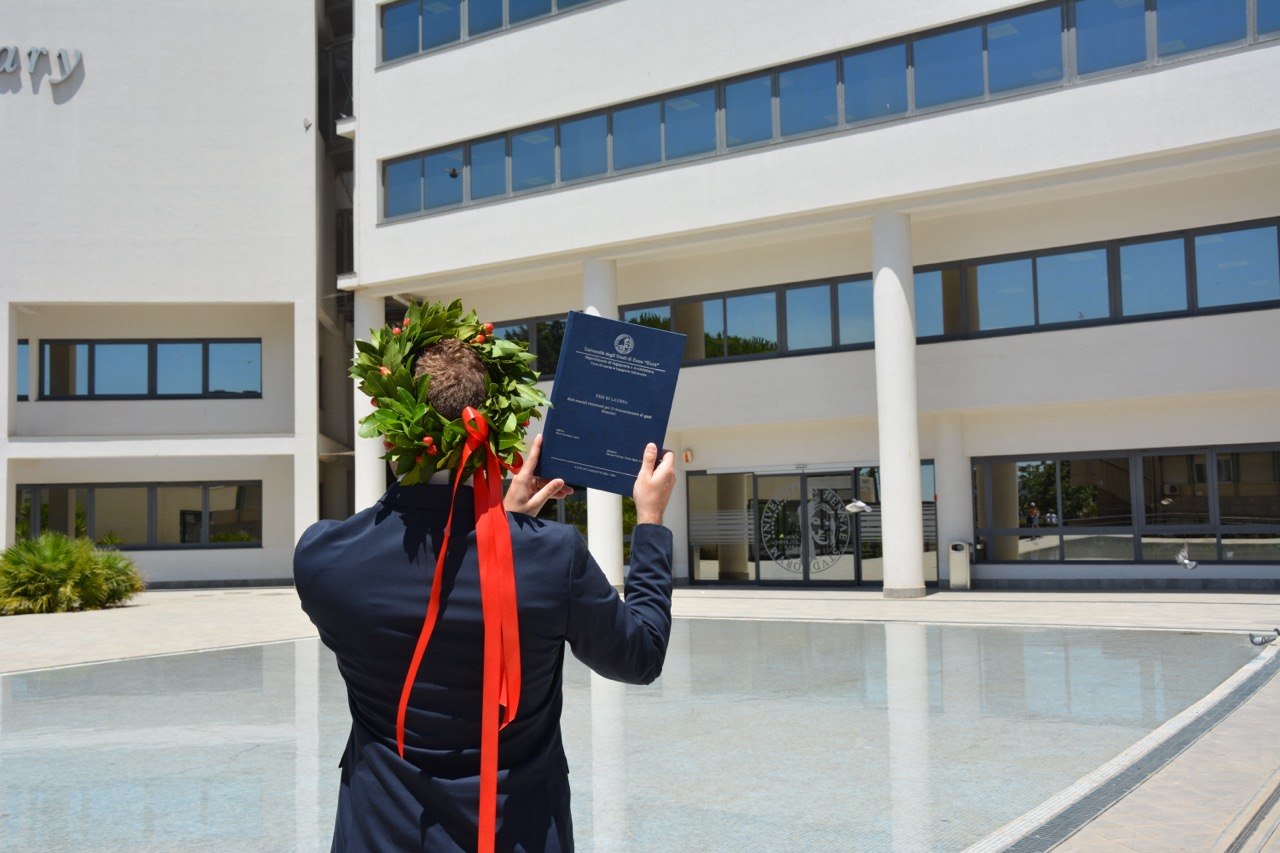
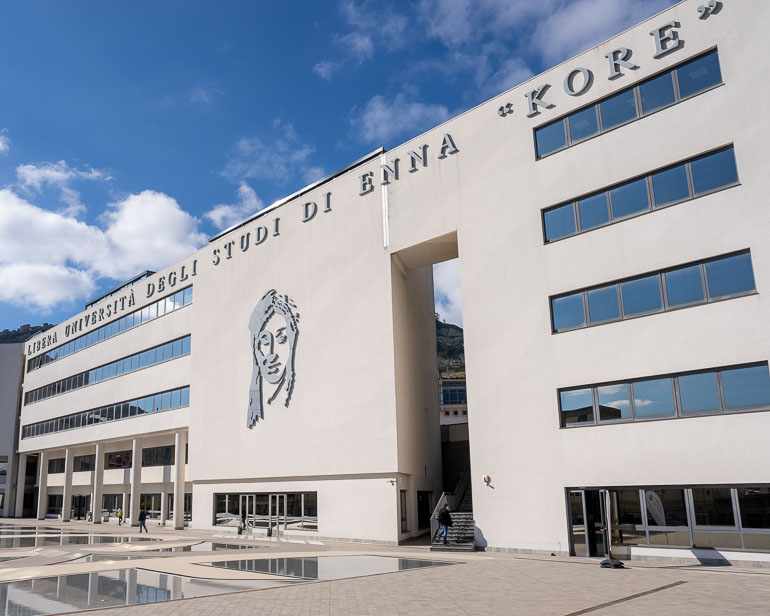
I started in Enna — Computer Engineering at the University of Kore, 110/110 cum laude — with my first machine-learning work on dynamic gesture recognition.

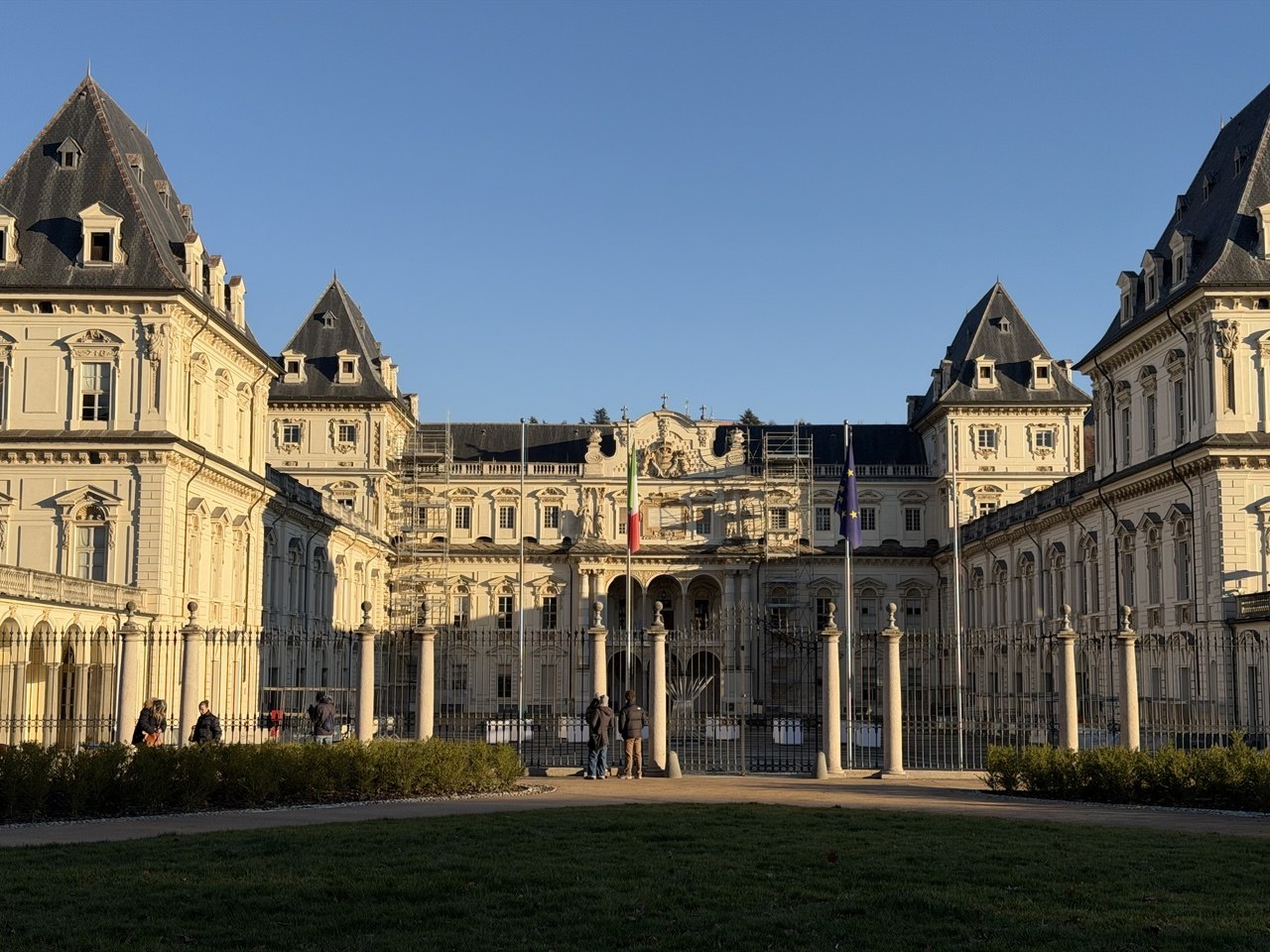
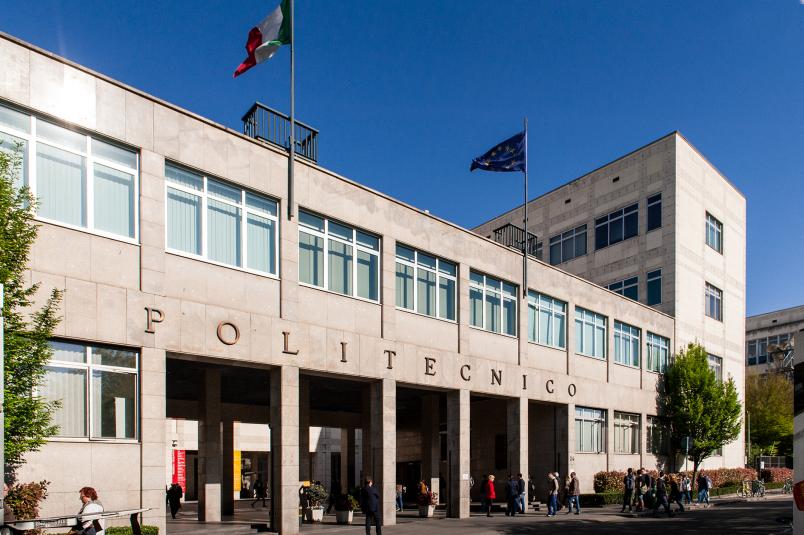
Then Turin: M.Sc. in AI & Data Analytics at Politecnico di Torino. Research on LLMs, hybrid retrieval and medical-vision explainability; my thesis on production GenAI came out of an internship at Data Reply.

Now: Machine Learning Engineer in the GenAI & ML Engineering team at Intesa Sanpaolo's AI Delivery Center — machine learning, generative and agentic AI at real scale, from architecture to deployment on Databricks.

"Generative AI and Foundation Models for Automated Data Engineering and Metadata Orchestration"

M.Sc. thesis — PoliTO × Data Reply · 2026

§ 02 · Experience

From research to ML engineering.

Industry, academic honors, and applied research.

  • Sep 2026 — Present Intesa Sanpaolo — AI Delivery Center · GenAI & ML Engineering team

    Machine Learning Engineer

    Italy · Full-time
    • Design, develop, ship, and maintain Machine Learning, Generative AI, and Agentic AI solutions end-to-end — from architecture and data pipelines to production deployment and optimization.
    • Champion AI-assisted coding and AgenticOps across teams, building cross-cutting AI services on data & AI platforms such as Databricks.
    Machine LearningGenerative AIAgentic AIDatabricksAgenticOps
  • Feb 2026 — Aug 2026 Data Reply

    Graduate Thesis Intern

    Turin, Italy · Hybrid
    • Design production-oriented Generative AI for metadata management and semantic discovery — Foundation Models meet Data Engineering.
    • Architect scalable AI workflows (LLM reasoning + backend) from prototype toward deployment.
    Generative AIData EngineeringFoundation ModelsServerless
  • Oct 2024 — Jun 2025 IEEE-Eta Kappa Nu — Mu Nu Chapter

    HR & Outreach Member

    Turin, Italy · Volunteer
    • Recruitment and member engagement for the IEEE-HKN electrical & computer engineering honor society.
    • Organized technical events and workshops; promoted IEEE standards and professional development.
    OutreachIEEEEvents
  • Feb 2024 — Jun 2024 University of Enna "Kore"

    Research Trainee in AI

    Enna, Italy · On-site
    • Built ML pipelines for dynamic gesture recognition on Leap Motion time-series data.
    • Statistical feature analysis; contributed to the DYLEM-GRID dataset (400 samples, 100 participants).
    AI ResearchComputer VisionHCI

§ 03 · Skills

A production AI stack.

From data to agent — a toolkit for reliable systems.

Generative AI & LLM

TransformersHugging FaceRAGPrompt EngineeringFine-TuningPEFT / LoRAQuantization

AI Agents

LangChainLangGraphSelf-Corrective RAGOrchestration

Machine Learning & Data

PyTorchScikit-LearnNumPyPandasData PipelinesModel Evaluation

Retrieval

EmbeddingsRerankingHybrid RetrievalParent-Child Chunking

MLOps & Deployment

DockerWeights & BiasesGitGitHub

Languages & AI Dev

PythonSQLClaude CodeCopilot

Big Data

HadoopPySparkacademic exposure

Spoken Languages

Italian — NativeEnglish — C1 Advanced

Cross-functional

Problem solvingTechnical communicationTeamworkAI-assisted dev

§ 04 · Selected Projects

Applied research, real systems.

From data governance to healthcare explainability.

SemanticMesh Data Governance

2026

Master's thesis · Politecnico di Torino

LangGraph-orchestrated multi-agent system aligning business documents with relational schemas in a Neo4j knowledge graph. Two pipelines: a builder (triplet extraction, entity resolution, actor-critic validation, Cypher healing) and a query graph (dense + BM25 + graph traversal, cross-encoder rerank, hallucination grading). Evaluated on 7 datasets · 111 tables · 210 questions: 210/210 grounded answers, zero hallucinations, 4.31/5 mean score, 21 ablation studies.

210/210 grounded docs + ddl entity resolution neo4j kg hybrid recall graded answer
Fig. 1 — SemanticMesh: a builder graph upserts the ontology into Neo4j; a query graph answers natural-language questions with hybrid retrieval and hallucination grading.
PythonLangGraphNeo4jRAG
Code on GitHub →

Self-Corrective Multi-Turn RAG

2026

SemEval 2026 — Task 8

Self-Corrective RAG with LangGraph for grounded answers across multi-turn dialogues. Hybrid retrieval (Parent-Child chunking, BGE-M3 embeddings, Cross-Encoder reranking) plus 4-bit NF4 quantization of Llama 3.1 8B for offline inference on consumer hardware.

critique → retry loop query hybrid recall k=50 rerank k=5 llama 3.1 · nf4
Fig. 2 — Self-corrective multi-turn RAG: hybrid recall and cross-encoder rerank feed a 4-bit local model; a critique step can send the query back.
PythonLangGraphLlama 3.1RAG
Code on GitHub →

SM-SIP Multilingual Summarization

2026

Abstractive Summarization · IT/EN

Controllable abstractive summarization with semantic supervision. Multilingual (IT/EN) pipeline integrating Llama and Qwen with token-classification modules to detect and mitigate hallucinations. LoRA adapters (PEFT) published on the Hugging Face Hub.

adapters on the HF Hub doc it/en hallucination tags llama · qwen + lora summary
Fig. 3 — SM-SIP pipeline: token-classification modules tag hallucination-prone spans before LoRA-tuned models write the summary.
PythonLLMsHugging FacePEFT
Code on GitHub →

Explainable AI Concept Discovery

2026

Medical Vision-Language Models

Unsupervised concept discovery in medical VLMs via Sparse Autoencoders. A concept-naming module paired with an LLM-as-a-judge system to quantify concept faithfulness.

unsupervised concepts image + report med-vlm sae concepts llm judge → score
Fig. 4 — Concept discovery: Sparse Autoencoder latents are named by a concept module and scored for faithfulness by an LLM judge.
PythonSparse AutoencodersLLM-as-a-Judge
Code on GitHub →

DYLEM-GRID Gesture Recognition

2024

Dataset: 400 gestures · 100 participants

BiLSTM with attention and an encoder-only Transformer (PyTorch) for dynamic hand-gesture classification. Optimized high-dimensional feature extraction on the DYLEM-GRID dataset, also published on Kaggle.

400 gestures · 100 participants leap motion t-series features bilstm + attn gesture label
Fig. 5 — DYLEM-GRID: Leap Motion time-series through statistical feature extraction into parallel BiLSTM-attention and Transformer heads.
PyTorchLSTMAttentionTransformers
Code on GitHub →

§ 05 · Education

Academic background.

Politecnico di Torino

M.Sc. in Artificial Intelligence & Data Analytics

Politecnico di Torino · Sep 2024 — Sep 2026
Expected110/110

Thesis: "Generative AI and Foundation Models for Automated Data Engineering and Metadata Orchestration"

University of Enna "Kore"

B.Sc. in Computer Engineering

University of Enna "Kore" · Oct 2021 — Jul 2024
Grade110/110 cum laude

Thesis: "Recurrent Neural Networks for Dynamic Gesture Recognition"

Credentials

2025
IEEE Graduate Student Member
World's largest tech professional association.
2025
DYLEM-GRID — Kaggle Dataset
400 dynamic gestures · 100 participants.
2024
Cambridge English C1 Advanced
CEFR C1 in technical and professional English.
2024
Publication — Home Automation System
SUAI Bulletin, UNESCO Chair "Distance Education in Engineering".

§ 06 · Contact

Let's work together.

Note — email is fastest; I reply within a day.

I'm a Machine Learning Engineer in the GenAI & ML Engineering team at Intesa Sanpaolo's AI Delivery Center. Still happy to connect and talk shop — quick reply via email.